
Discovering Ceramics: A Beginner’s Guide to Pottery Classes
Learn hand-building and wheel-throwing techniques in traditional Czech studios. Most classes run Saturday afternoons with small group sizes.
Why Pottery Captures Hearts
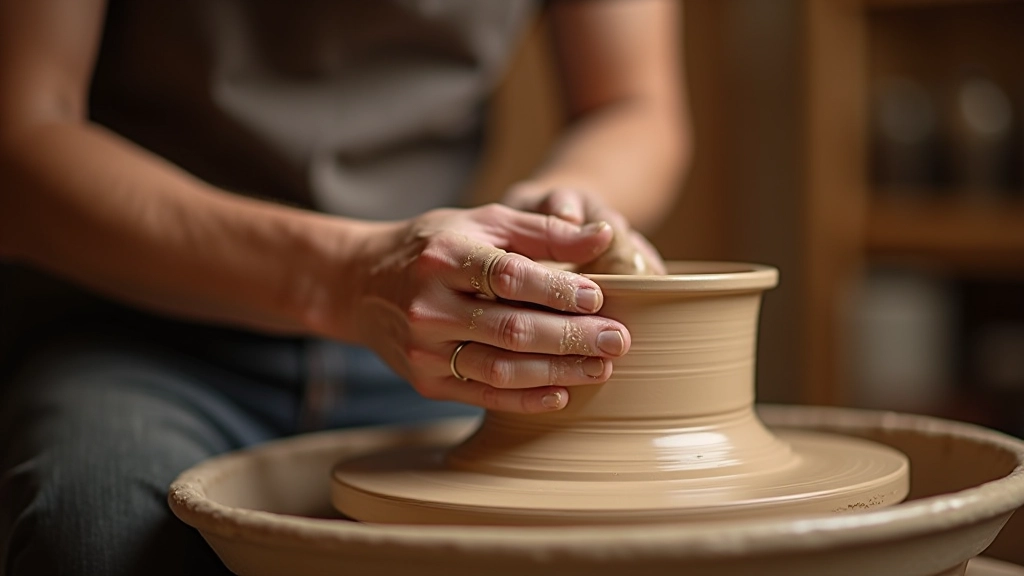
There’s something almost magical about working with clay. You’re not just making objects — you’re creating with your hands, feeling the material respond to pressure and intention. For adults looking to step away from screens and reconnect with something tactile, pottery classes offer exactly that.
Czech pottery traditions run deep. From medieval techniques passed down through generations to contemporary studio practices, the country’s got serious clay credentials. Whether you’re 45 or 65, whether you’ve never touched clay before or you’re curious to restart a childhood hobby, these classes welcome everyone.
The real appeal? It’s not about making perfect bowls or elegant vases. It’s about the process — the meditative rhythm of centering clay on a wheel, the problem-solving of hand-building a form, the surprise of what emerges when you actually try something new.
Two Core Methods You’ll Learn
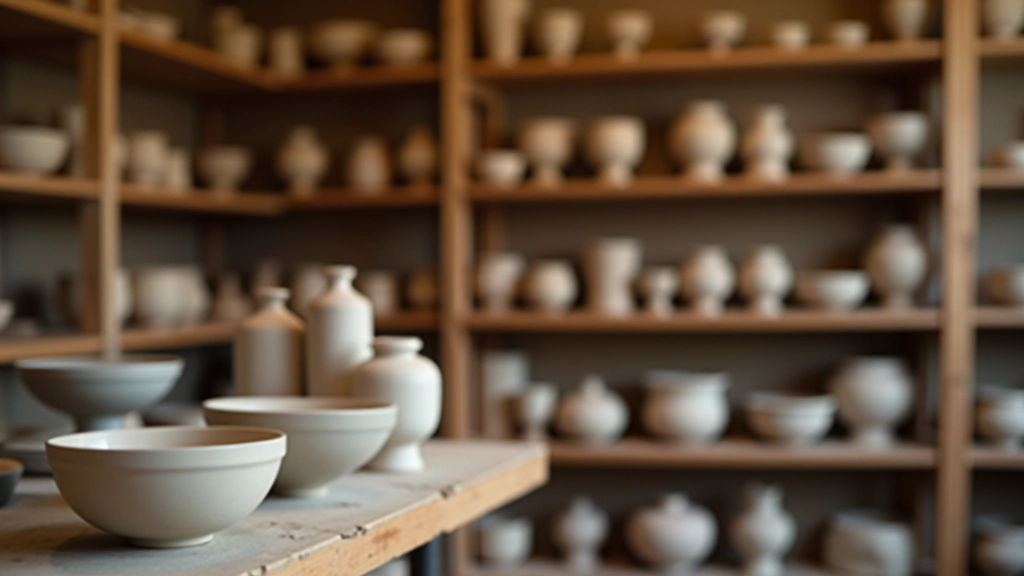
Most beginner pottery classes teach both hand-building and wheel work. You don’t need to choose just one.
Hand-Building (Weeks 1-3)
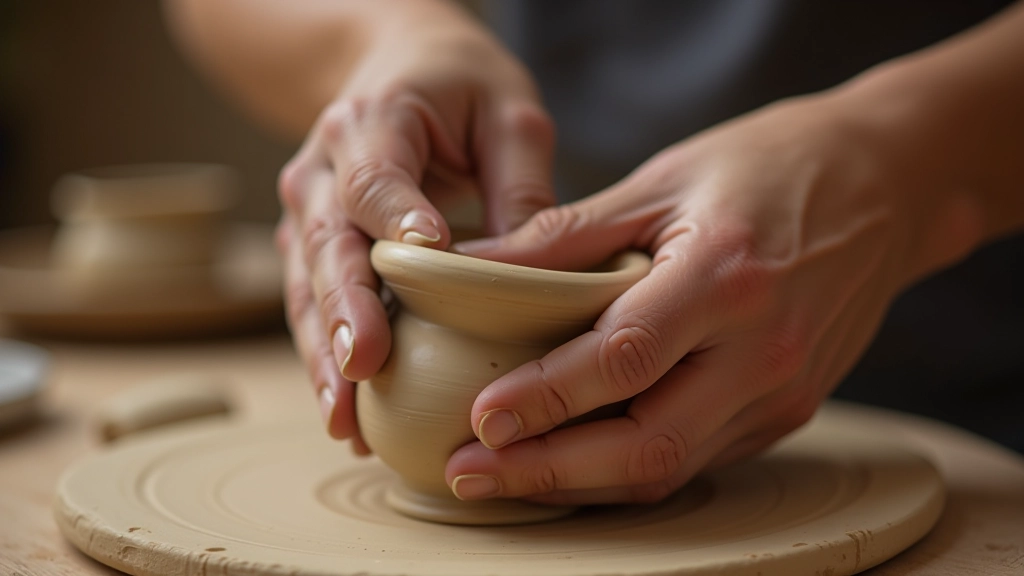
You’ll start here. Hand-building techniques include coiling (rolling long snakes of clay and stacking them), slab construction (flattening clay into sheets for boxes and plates), and pinch pots (the simplest form — literally pinching clay into shape). It’s forgiving. You can’t really “fail” because you can always squish it down and try again. Most studios dedicate the first three weeks to these methods so you build confidence before touching the wheel.
Wheel Throwing (Weeks 4-8)
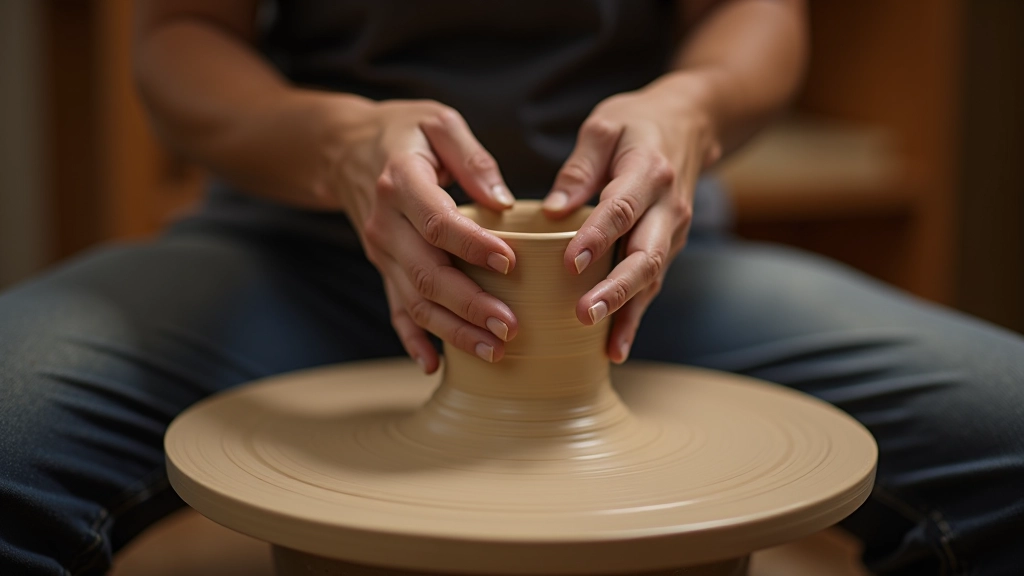
The wheel looks intimidating but it’s actually logical. You center the clay (getting it spinning true on the wheel), open it from the center to create a hollow form, and pull the walls up evenly. Your first attempts won’t be symmetrical — that’s normal. Most beginners need 8-12 tries before they throw a usable cup. Studios typically have six to eight wheels per class, so everyone gets hands-on time. You’re working at speeds around 50-100 RPM, which sounds fast but feels manageable once you get the hang of it.
What a Typical Saturday Class Looks Like
Saturday afternoons work well because they don’t demand vacation time or reorganizing your whole week.
2:00 PM — Arrival & Setup (10 minutes)
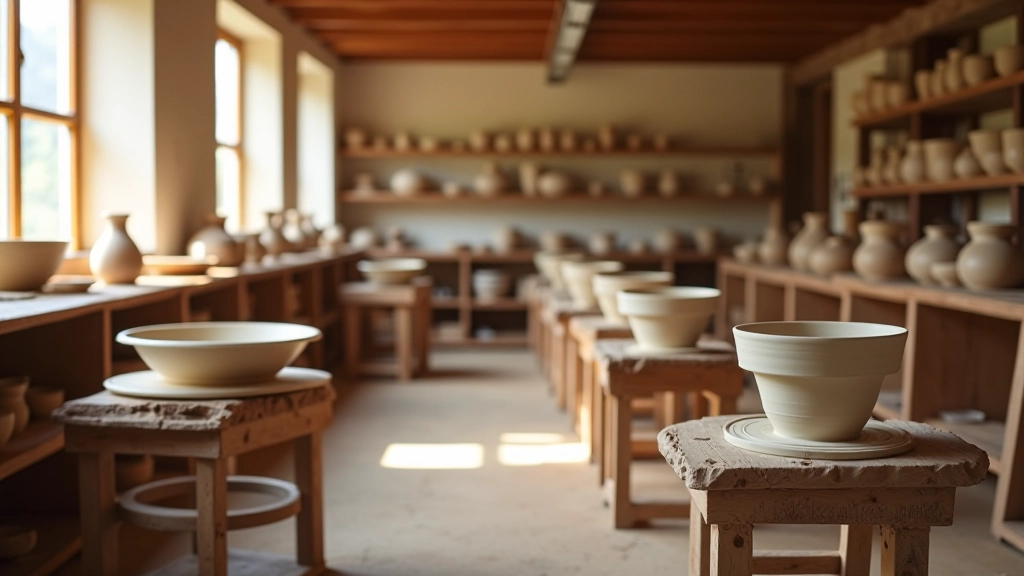
You arrive, put on an apron, and find your workspace. Most studios provide all materials — clay, tools, water. You don’t bring anything except yourself. Groups are kept small: six to eight people maximum. This means the instructor can actually see what you’re doing and offer real feedback.
2:10 PM — Demonstration (15 minutes)
The instructor shows the technique you’ll be working on that day. They go slow. They’ll demonstrate again if anyone asks. You’re watching hand placement, pressure points, common mistakes. This isn’t lecture — it’s watching someone do the thing you’re about to try.
2:25 PM — Hands-On Practice (50 minutes)
You work. The instructor circulates, corrects posture, suggests adjustments. You’ll make mistakes — the clay cracks, the form collapses, the wheel wobbles. The instructor helps you troubleshoot. By minute 40, you’ll have made three or four attempts at whatever technique you’re learning. At least one will be decent.
3:15 PM — Cleanup & Wrapping (10 minutes)
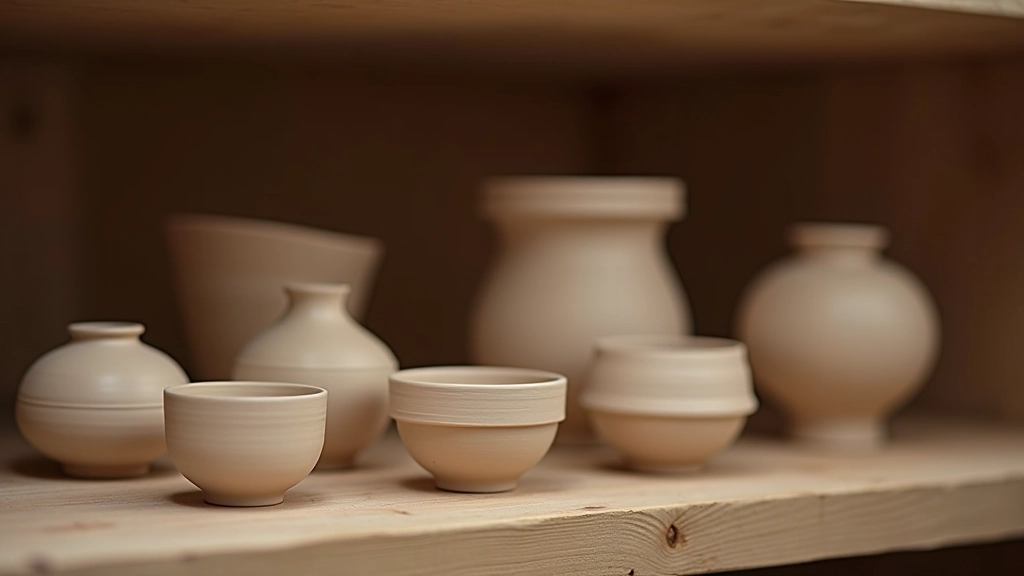
Your finished pieces go on a shelf to dry before they’re bisque-fired (the first firing that turns clay into ceramic). You’ll clean your tools, sweep your station. Most studios have all supplies ready next week — no homework, no prep work needed.
What You Actually Need to Know
What to Wear
Clothes you don’t mind getting clay on. Jeans work fine. Wear closed shoes (clay dust, water on floors). Leave jewelry at home — clay gets into rings and watches. Most studios provide aprons but bringing your own is fine too.
Physical Demands
Pottery isn’t strenuous but it’s not sedentary either. You’re standing most of the class. Your forearms and shoulders work (wheel throwing especially). If you’ve got arthritis or joint issues, hand-building is gentler. Most studios can adapt based on your needs — just mention it during enrollment.
Experience Required
Zero. Absolute beginners are the norm. Classes are structured for people who’ve never touched clay. Don’t worry about being the least experienced — you won’t be. Everyone’s there to learn.
After Your Pieces Are Made
After the class, your piece dries slowly (one to two weeks). Then it gets bisque-fired (a preliminary firing to around 1000C). You return to glaze it (add color and finish). A final glaze-fire happens at 1200-1300C. Total timeline: three to four weeks from starting to finished piece. You take home what you make.
The Social Side
You’re in a small group for 90 minutes every Saturday. You’ll recognize faces, share techniques, watch each other improve. Some groups grab coffee after class. It’s not forced socializing — it’s just what happens when people work near each other doing something interesting.
Czech Studios & Locations
Prague has studios in neighborhoods like Vinohrady, Žižkov, and Smíchov. Regional cities like Brno and Česká Lípa also have active pottery communities. Most studios are easy to reach by tram or bus. Classes typically run September through June (following the academic calendar), with some summer intensive options.
Your First Year: What Actually Happens
Here’s the realistic timeline for a beginner who shows up consistently:
Hand-building confidence. You’ll make pinch pots that are lopsided but yours. Coiled bowls that hold water. Slab pieces with visible hand marks. You’re learning how clay responds to pressure. Your pieces aren’t Instagram-worthy but they’re functional and honest.
Wheel throwing starts. First attempts are chaotic. Clay flies off the wheel, forms collapse, nothing’s centered. This is completely normal. By week 10, you’ll throw a cup that’s actually drinkable. It won’t be perfect — the rim might be thick on one side, the base a bit wobbly — but it’s recognizably a cup.
Consistency shows. You’re throwing bowls and cylinders that are symmetrical. You understand clay memory and how to work with it. Hand-building gets more sophisticated — you’re combining techniques, adding handles, creating lids. You’ve got maybe 30-40 finished pieces. Some are better than others, but you can see the improvement.
You’re genuinely making things you like. Mugs with handles that feel good in your hand. Bowls with interesting glazes. Maybe you’ve attempted a sculptural piece just for fun. You’re experimenting — trying new glazes, combining hand-building with wheel forms, pushing your skills. You’re no longer a beginner. You’re a potter.
“I wasn’t sure I’d be good at it. The first Saturday I was convinced everyone else was naturally talented and I’d be hopeless. But honestly? Week three was when I threw a bowl that didn’t immediately fall apart. Wasn’t pretty but it was *mine*, you know? Now I’ve got a shelf of stuff I actually use. Coffee mugs I made, bowls for serving. That’s wild.”
— Martin, 58, Prague
“My husband does pottery too and we take the same class. It’s weird how it becomes meditative after a few weeks. You’re not thinking about work or the news or anything — just the clay and your hands. We talk more on the walk home than we do during the week. Highly recommend dragging someone you love into this.”
— Petra, 52, Brno
Getting Started Is Simpler Than You Think
You don’t need to commit to a year. Most studios offer single-session drop-ins or 8-week beginner programs. Try one class. Show up in jeans, wear your apron, listen to the demonstration, and just work with clay for 90 minutes. You might love it. You might realize it’s not for you. Either way, you’ll have made something with your hands that didn’t exist before. That’s worth the Saturday afternoon.
The Czech pottery tradition isn’t something locked away in museums. It’s alive in studios across the country, taught by people who genuinely want to share it. Weekend pottery classes aren’t about producing masterpieces. They’re about the process, the mediation, the quiet satisfaction of creating something functional and honest.
Ready to try it? Search for “pottery classes” plus your city name in Czech (keramika or hrnčířství). Most studios have websites with class schedules and contact info. Reach out. Ask about beginner programs. Show up Saturday afternoon.
Informational Note
This guide provides educational information about pottery classes and hand-building and wheel-throwing techniques. Information presented is based on typical beginner pottery instruction practices. Individual studio curricula, class schedules, instructor approaches, and material costs vary. Contact specific studios directly for current class offerings, pricing, and requirements. Physical activities in pottery may not be suitable for everyone — consult with your healthcare provider if you have joint, shoulder, or physical limitations. Techniques and timelines described reflect general beginner progression and may vary based on individual practice, aptitude, and studio environment.
Explore More Weekend Activities