
Botanical Garden Excursions: Nature’s Seasonal Beauty
Expert-led walks through Prague and regional gardens revealing rare plants, seasonal transformations, and landscape design principles
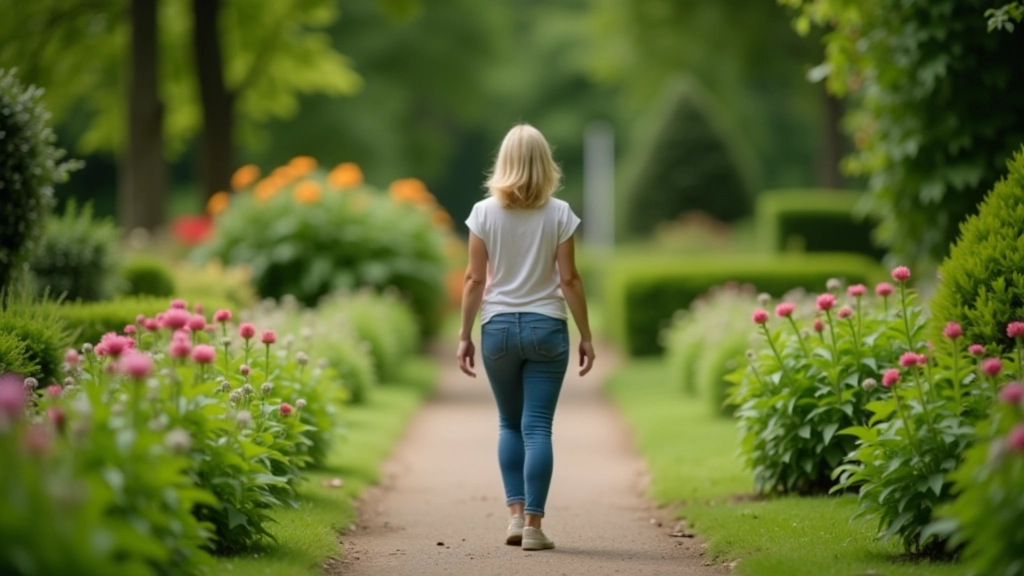
Why Gardens Matter More Than You’d Think
Walking through a botanical garden isn’t just pleasant — it’s genuinely transformative. You’re seeing the planet’s biodiversity condensed into one place. Rare species from Asia grow next to European natives. Desert plants thrive indoors while water gardens shimmer outside. It’s like traveling the world without leaving Prague.
The real magic happens when someone knowledgeable explains what you’re looking at. A botanist doesn’t just point and say “pretty flowers.” They’ll tell you why a plant’s leaves are shaped that way, how it survives in harsh climates, what insects depend on it. Suddenly you’re seeing ecosystems instead of scenery.
For adults looking for weekend activities that actually engage your mind — botanical excursions hit different. You’re outdoors in fresh air, moving gently through beautiful spaces, and learning something genuinely interesting. No rushing. No crowds. Just you, plants, and an expert who’s passionate about what grows.
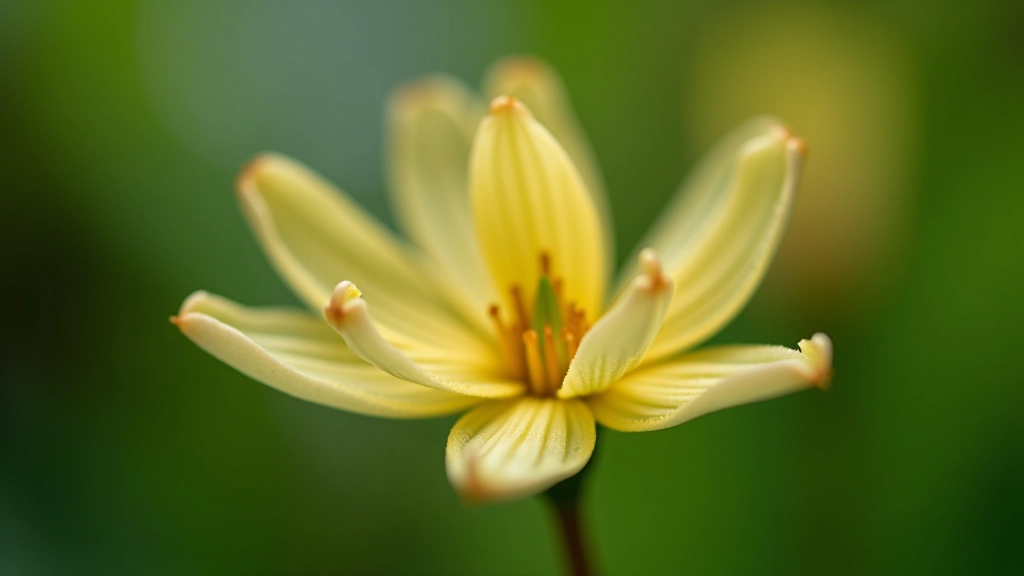
Each Season Brings Different Plants to Life
Spring (March–May)
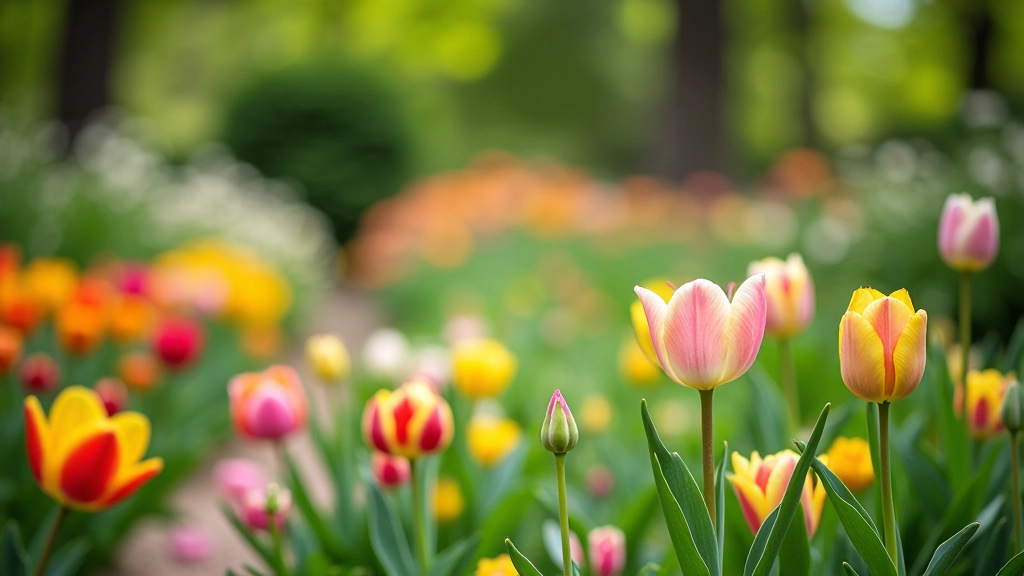
Magnolias burst open first. Then tulips, hyacinths, and cherry blossoms fill the gardens with impossible colors. This is peak time — everything’s waking up at once. You’ll see botanical guides discussing pollination strategies and cross-breeding programs that created these hybrids.
Summer (June–August)
Roses dominate. The tropical greenhouse becomes essential — it’s cooler inside, and you’ll see orchids, exotic ferns, and plants from rainforests. Most people avoid gardens in peak summer heat, which means smaller tour groups and more personal attention from guides.
Autumn (September–November)
Japanese maples turn crimson. Ornamental grasses create texture and movement. Dahlias flower in incredible variety. The light becomes softer, warmer. Tours focus on plant adaptation — how trees prepare for winter, why leaves change color, which plants go dormant.
Winter (December–February)
Most visitors skip winter, but guides argue it’s when you actually see garden structure. Without foliage, you notice architectural plantings. Evergreens and winter bloomers shine. Frost creates natural beauty. Tours are intimate — sometimes just you and the guide walking quiet paths.
Prague’s Top Botanical Spaces
Prague isn’t just architecture. The city has serious botanical resources that most tourists completely miss.
Prague Botanical Garden
The main one. Located in Troja, north of the city center. Covers 50 hectares with Japanese gardens, Mediterranean sections, and extensive greenhouses. Most excursions start here because it’s comprehensive. You’ll walk through ecosystems — not just flower beds. Guides spend time on ethnobotany (how cultures use plants) and plant families. Takes 2–3 hours depending on your pace and interests.
Lednice-Valtice Cultural Landscape
UNESCO site about an hour from Prague. Historic estates with baroque gardens designed centuries ago. You’re walking through landscape design history. Trees planted in the 1700s are still growing. These tours often include discussions of historical plant collections and how garden design evolved.
Mariánské Lázně Botanical Collections
Western Bohemia spa town with specialty gardens focused on medicinal plants and healing herbs. These excursions lean into phytotherapy (plant-based wellness). You’ll learn which plants were actually used in traditional Czech medicine versus modern marketing. Small group tours only — maximum 12 people.
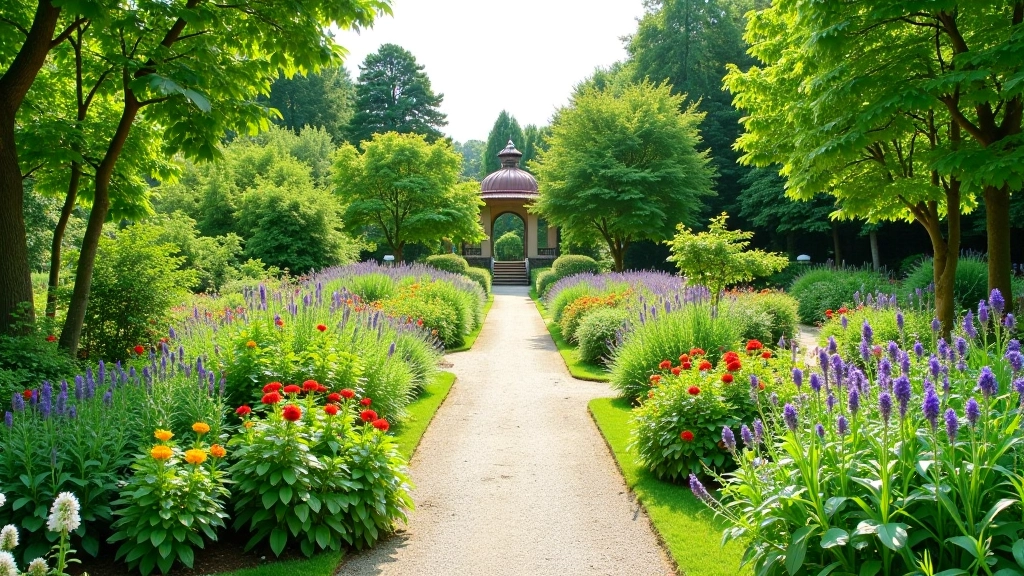

What an Excursion Actually Looks Like
These aren’t tours where you stand in one spot while someone lectures. You’re actually walking — probably 2–3 kilometers depending on the garden and your group’s pace. Guides stop when something interesting appears, but you’re moving most of the time.
Groups are small. Eight to twelve people maximum. This matters because guides can actually answer questions and adjust to the group’s interests. Someone asks about pollinators? You’ll spend 20 minutes learning about bees, butterflies, and hummingbirds. Someone else is interested in plant genetics? Different discussion. It’s personalized without being forced.
Real example: A spring tour at Prague Botanical Garden. You’re looking at magnolia trees. The guide explains they bloom before leaves appear — why? Because insects are more active in spring when there’s nothing else to eat. Then she shows you how to age a magnolia by counting growth rings. Then you taste a tiny flower petal (they’re safe, slightly sweet). That’s the difference between reading about plants and understanding them.
Tours typically last 2–3 hours. That’s long enough to really see things without becoming exhausting. You’re walking slowly, stopping frequently, talking with the guide and other people in the group. No rushing. No fighting crowds. Just botanical education at a human pace.
What to Know Before You Go
Best Time to Visit
Spring and early autumn are ideal. Weather’s pleasant. Gardens are at peak bloom. Tours run frequently. If you prefer smaller groups and quieter experiences, consider late autumn or winter. You won’t see as many flowers, but the landscape reveals itself differently. And honestly? You’ll remember winter gardens more because they’re unusual.
What to Bring
- Comfortable walking shoes (you’re on your feet for 2–3 hours on garden paths)
- Sun protection (hats, sunscreen) for spring/summer tours
- Layers for autumn/winter (gardens are exposed, temperature drops quickly)
- A notebook if you want to record plant names or notes
- Water bottle (many guides recommend staying hydrated while walking)
Physical Considerations
Most tours are moderate difficulty. You’re walking on maintained garden paths, not hiking trails. Pace is slow and you can ask for breaks anytime. That said, if mobility is a concern, mention it when booking. Many gardens have accessible routes, and guides can adjust. Prague Botanical Garden has wheelchair-accessible sections and adapted paths.
Why This Matters (Beyond Instagram)
Cognitive Engagement
You’re learning continuously. Plant families, ecology, history, design principles. Your brain’s engaged in actual understanding, not passive observation. That’s different from typical tourism.
Genuine Connection
Small groups with shared interests create natural conversation. You’re walking for hours with people who find this stuff interesting too. Real friendships form around these excursions.
Environmental Awareness
When you understand how plants work and why biodiversity matters, you see your own relationship with nature differently. You’ll notice plants everywhere after these tours.
Stress Relief (Real, Not Marketing)
Walking in gardens literally reduces stress hormones. Add genuine learning and social connection? That’s weekend wellness that actually works.
“I thought I’d just see pretty flowers. Turned out I learned about evolution, soil science, and why climate matters. Can’t believe I didn’t know any of this before. Now I see gardens completely differently.”
— Helena, 52, Prague
Your Next Weekend is Waiting
Botanical garden excursions aren’t for botanists only. They’re for adults who want to learn something real, move their bodies gently, and spend time in beautiful places without rushing. You’ll walk away with actual knowledge about how the natural world works. You’ll remember specific plants and why they matter. You might even start noticing plants in your own neighborhood differently.
Spring tours are filling up now. If autumn or winter interests you, those spots open in late summer. Either way, don’t wait until next year. The gardens are changing constantly. The botanists running these tours have deep expertise they’re genuinely excited to share. Your weekend could be different — the good kind of different.
Ready to Explore?
Search for “botanical garden tours Prague” or check the websites for specific gardens. Most offer guided excursions year-round. Start with Prague Botanical Garden if you’re new to this — it’s the most comprehensive. Then try regional gardens as you get more interested.
Explore More Weekend Activities


About This Guide
This article provides educational information about botanical garden excursions and weekend leisure activities in the Czech Republic. Information about specific gardens, tours, and seasonal blooms is accurate as of March 2026 but may change. We recommend contacting gardens directly for current tour schedules, group sizes, accessibility information, and any health or physical considerations before booking. This guide is informational and not a substitute for direct communication with tour operators. Individual experiences vary based on season, guide expertise, group composition, and personal interests.